
Rethinking Workplace Substance Misuse
For many organisations, substance misuse policies are built around a simple principle: test employees, and if they fail, terminate their employment. It’s neat. It’s decisive.…

You are probably already investing in wellbeing initiatives, stress support, and mental health first aid. Good. But there is something that impacts stress, anxiety, absenteeism, and performance more than almost anything else – and you’re probably not talking about it.
Booze.
Alcohol is hitting morale, performance, and your firm’s bottom line.
In the Media



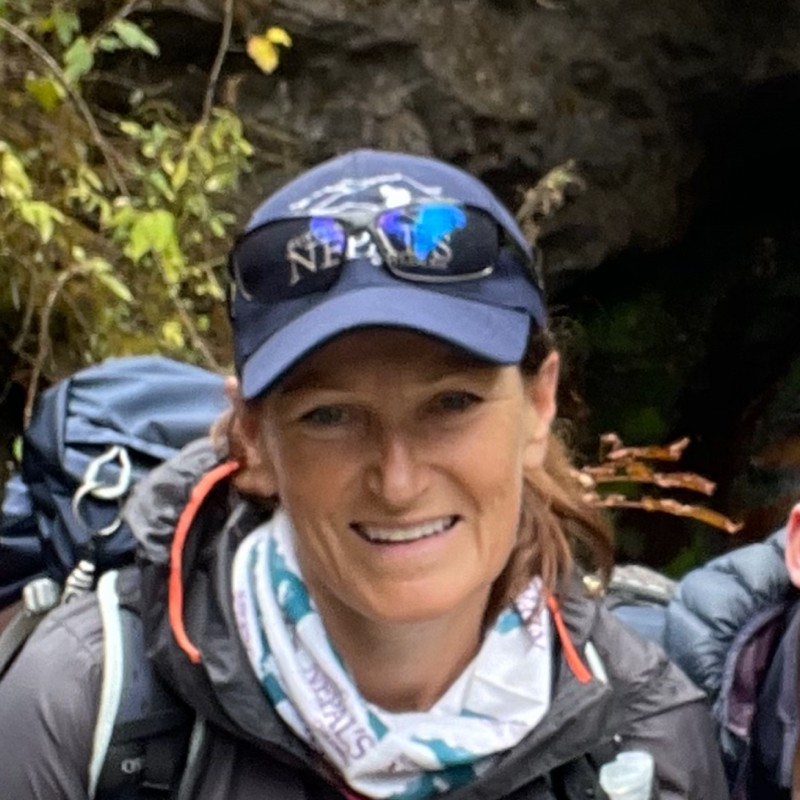
Tabbin shared her personal experiences in such a humble way, which created a safe forum for all to ask questions freely and without fear of judgement. The conversations continued well after the session and were equally enlightening and valuable for all involved, demonstrating the impact such knowledge can have.
Jan Jago
Executive Manager – Growth and Development, St. James’s Place
Neither do I. But there is a fear that discussing alcohol turns into a prohibition debate, triggers a complaint, or puts senior leaders – who may be part of the drinking culture themselves – on the defensive.
So it stays off the agenda. And the costs quietly accumulate: absenteeism, performance that never quite reaches its ceiling, culture and conduct incidents.
It is an issue which affects performance, wellbeing, and inclusion. Companies that treat it that way – creating space for people to get support before things reach crisis – consistently see better outcomes.

The work is bespoke – shaped around your organisation, your sector, and your culture. There is no off-the-shelf workshop. But in practice, an engagement typically follows four stages:
Targeted training for the people already in pastoral roles, so they can recognise alcohol-related issues and signpost colleagues to the right support. This is not a company-wide announcement – it is a quiet, practical upgrade to the capability you already have.
Evidence-based awareness sessions about alcohol’s physical, mental, and emotional harms. Delivered face to face or by video, depending on what fits your organisation. The tone is factual and adult – informed choice, not scare tactics. Low cost per head, high impact across the organisation.
Self-serve videos for individuals who want to explore whether alcohol is becoming a problem – privately and at their own pace. Entirely voluntary. Nobody has to put their hand up or disclose anything to anyone. This is for the person thinking “I might be headed towards a problem.”
Confidential, self-referred coaching for people who know they need more support. The employer co-funds the coaching, but a third-party accountant verifies delivery – so HR never knows who is using it. Management sees only that the service is being used, not by whom. Nothing is forced on anyone.
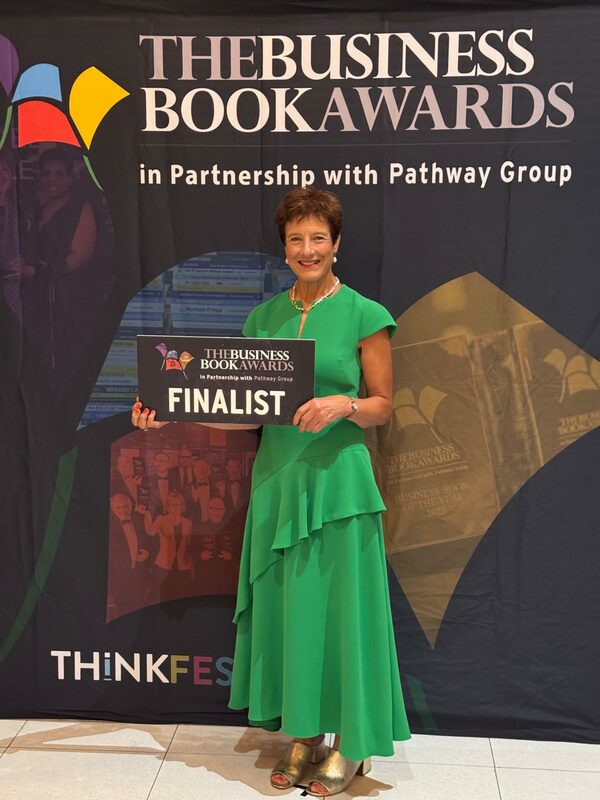
I have spent six years working with individuals and organisations on their relationship with alcohol. I am a certified senior coach with This Naked Mind and a certified grey area drinking coach trained by Jolene Park. My book on alcohol and the workplace was shortlisted for Business Book of the Year in 2025.
I have also lived this from the inside. That matters, because the work requires a level of understanding that qualifications alone cannot provide – and because the people in your organisation who are struggling will know immediately whether they are in the hands of someone who genuinely gets it.
My previous corporate clients have included Next Retail and St James’s Place.

This works best for SMEs in high-pressure, people-heavy sectors – media, advertising, PR, legal, insurance, financial services. The decision-maker is usually a Chief People Officer, Head of HR, or Head of Wellbeing, though often the most receptive person is a senior leader who quietly understands the problem from their own experience.
If you have ever thought we probably should look at this at some point – then now is your chance.
Three free resources designed for HR leaders, wellbeing managers, and anyone trying to get a clearer picture of what alcohol is really doing in their workplace.
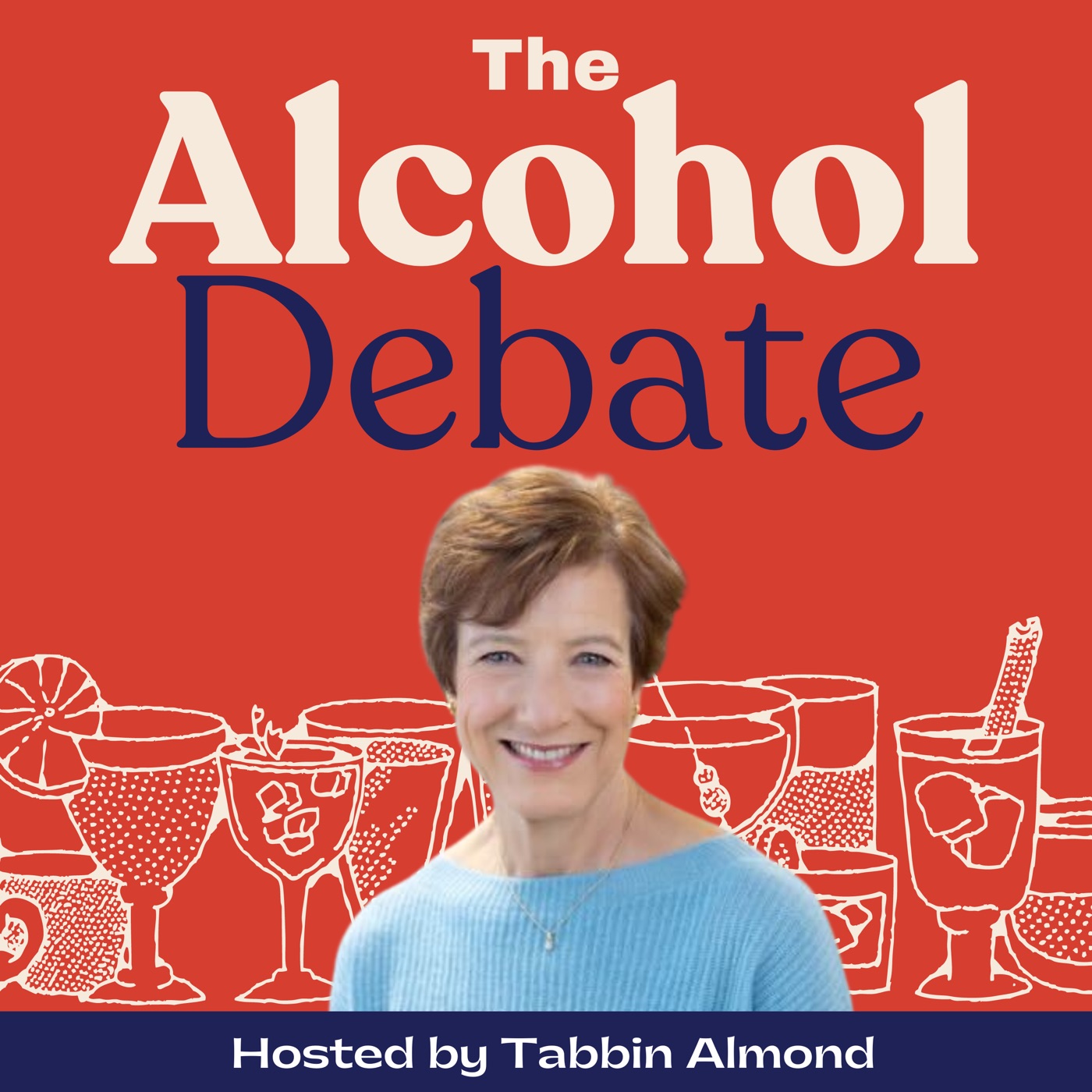
If you want to understand alcohol’s real impact on your people – without prohibition rhetoric or scare tactics – The Alcohol Debate is a useful starting point. Tabbin’s weekly conversations with experts and former drinkers explore what alcohol does for us and what it does to us, helping listeners make informed decisions.
Share it with managers, MH first aiders, or anyone in your organisation curious about the topic.
Tune in every Wednesday.
For many organisations, substance misuse policies are built around a simple principle: test employees, and if they fail, terminate their employment. It’s neat. It’s decisive.…

The Hidden Health Risks of Alcohol: From Accidents to Chronic Conditions Alcohol has long been a part of social life, celebrated in commercials and…

The story of my relationship with alcohol starts long before I took my first drink. Growing up, alcohol was a constant presence in my life.…
We will talk through what is happening in your organisation, what is possible, and what a sensible first step looks like. No pressure, no pitch.
It is confidential. And it does not commit you to anything.
Looking for confidential one-to-one alcohol coaching?
Visit Wine to Water Coaching